• Drinking anything other than water at room temperature.
💧 Hot water can damage your aligners.
• Brushing and flossing (Try to rinse and brush after every meal to avoid food getting stuck between teeth and aligners)
WHAT TO EXPECT
• During the first few days, you may experience:
• Mild discomfort
• Slight lisping
• Increased saliva
Changing Your Aligners
When Starting a New Set of Aligners
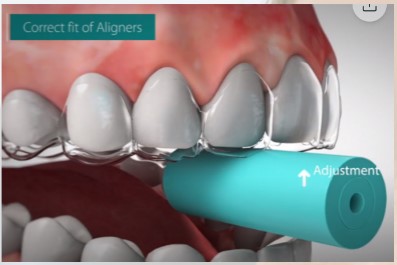
It is normal for new aligners to feel slightly tight at first.
To ensure proper fit:
• Use your chewies daily throughout treatment • First 1–2 days with new aligners: ► Use Chewie 5–10 minutes
Afterward:
► Use Chewie 15–30 seconds every time you reinsert aligners ✔ There should be no visible gap between your teeth and the aligner. ✔ If aligners are not fitting well, do NOT switch to the next set.
When to Switch Aligners
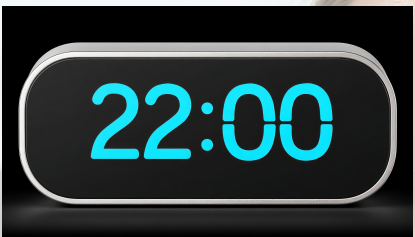
• Always switch to your next set at night before bedtime.
• Rinse the new aligners before placing them.
If You Lose An Aligner
• If you lose your current aligner: ○ Move to the next aligner, even if it is earlier than scheduled.
• If you do not have the next aligner: ○ Go back to wearing your previous aligner.
Important Reminder
✔ Never throw away old aligners
✔ Bring your last 3 sets to every appointment
✔ If you finish your final set before your next visit, continue wearing it until seen by your doctor.
Stay On Schedule
Your smile transformation depends on: • Timely aligner changes • Consistent wear • Regular orthodontic visits Consistency is key to achieving your desired smile.
ALIGNER CARE & HYGIENE
Daily Cleaning
Brush aligners gently with aligner cleaning Foam daily. In case it is not available, mild soap solution can be used. • Use a soft toothbrush
Avoid
• Mouthwash — it may discolour the aligners. • Toothpaste- It may scratch aligners • Hot Water-May damage your aligners
Sharp Edges
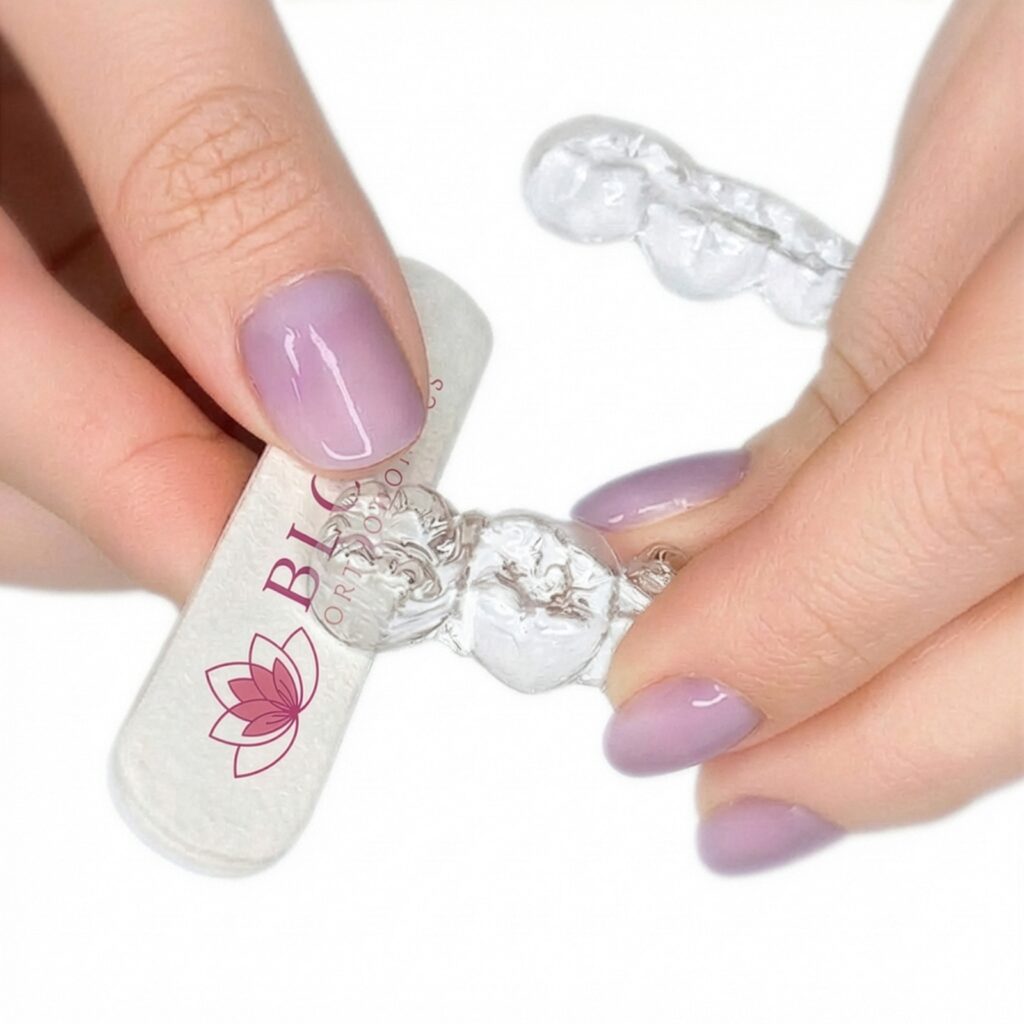
If you notice a sharp edge: • You may gently smoothen it using an emery board or fine sandpaper.
Storing Your Aligner
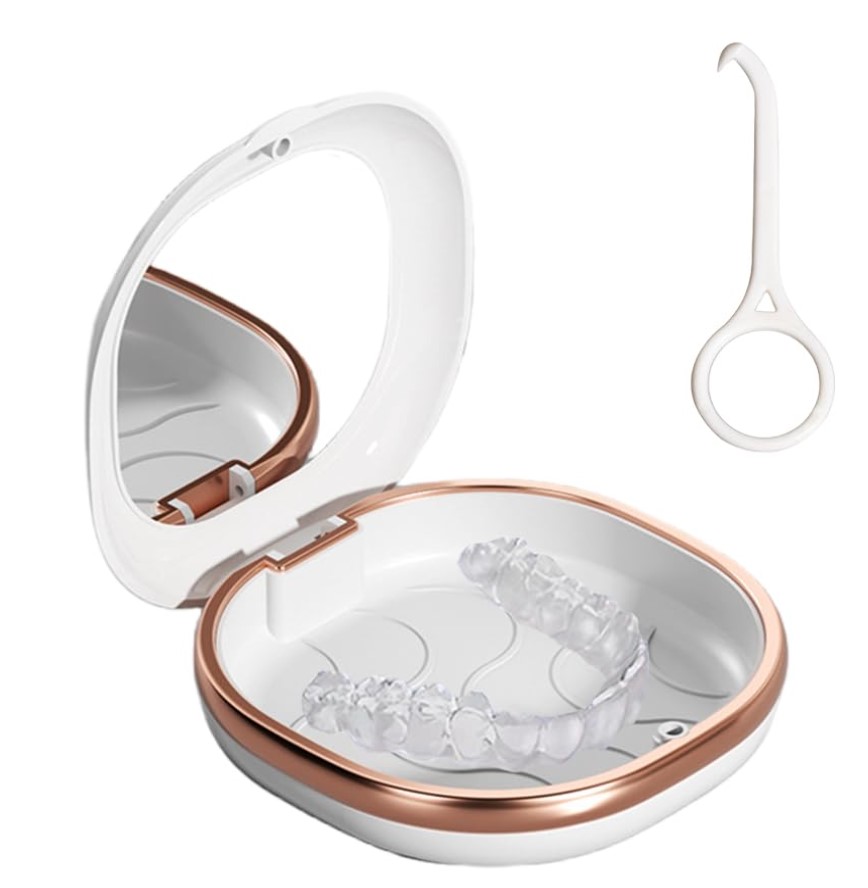
Whenever aligners are not in your mouth, keep them in their Aligner case. • This prevents loss or breakage. • Always keep a chewy inside your Aligner case
How to Use Aligner Cleaning Foam
Keeping your aligners clean is essential for maintaining oral hygiene, preventing Odor, and keeping them clear and stain-free.
1. Rinse First
Remove your aligners and rinse them under running water. (Avoid hot water, as it can distort the aligners.)
2. Apply the Cleaning Foam
Dispense 1–2 pumps of aligner cleaning foam directly inside each tray.
3. Spread Evenly
Use a clean finger or soft toothbrush to gently spread the foam across the inner surfaces.
4. Soak
Leave the foam inside the aligners for at least 5–10 minutes.
5. Rinse Before Wearing
Rinse thoroughly with water before placing them back in your mouth.
How to Use an Aligner Emery Board
Sometimes a new aligner may have a slightly rough or sharp edge. An aligner emery board can be used to gently smooth the area using small, controlled strokes for added comfort
Important Tips
Only smooth the sharp edge — do not file large areas. • Never alter the shape or trim the aligner. • Avoid using scissors or sharp tools. • If irritation persists, contact your dentist for assistance.
MONTHLY PROGRESS MONITORING
Please email or WhatsApp self-taken pictures with and without aligners using cheek retractor to your dentist when needed
We understand aligner treatment requires lesser number of follow up visits as compared to conventional orthodontic treatment but taking picture of your teeth with and without aligners at regular monthly intervals or in case you cannot come for orthodontic appointment is advised.This allows us to: • Monitor your progress • Keep accurate records Taking the proper picture can be done using cheek retractor.
How important is retainer in your aligner treatment
Teeth naturally tend to relapse after treatment because surrounding bone and soft tissues need time to stabilize. A retainer holds teeth in their new position while this stabilization occurs. Wearing your retainer is essential to keep your teeth in their new position after aligner treatment. Without proper retention, teeth can gradually shift back, affectingyour final results. How Long Are Retainers Needed? • Typically full-time wear initially (as advised) • Followed by night-time wear long-term
How to use a Cheek Retractor
Insert the cheek retractor gently at the corners of the mouth to hold the lips and cheeks away, ensuring clear visibility of the teeth. • Ensure good lighting (natural daylight or ring light preferred). • Brush and rinse before photos.
Positioning
Insert cheek retractors evenly to fully expose teeth and gums. • Bite in full occlusion (back teeth touching). • Keep head straight and camera parallel to teeth.
Essential Views to Capture
1 .Frontal View (Teeth Closed) – natural bite 2. Right Side View (Teeth Closed) 3. Left Side View (Teeth Closed)
After use, carefully compress and remove it slowly to avoid discomfort or tissue irritation.
PLACING AND REMOVING YOUR ALIGNERS
Placing Aligners 1. Identify upper and lower trays: 2. Align the tray with your front teeth. 3. Gently press into place starting at the canine area with both thumbs. 4. Move backward toward the molars, pressing evenly. 5. Repeat for the lower tray. 6. Do not bite aligners into place. 7. Use your chewies to fully seat the aligners.
Removing Aligners
Upper Aligners
Always remove from the tongue side.
Use your opposite hand:
Right pointer finger → loosen left molar.
Left pointer finger → loosen right molar.
Once both back sides are loose, gently remove from the canine area using both hands.
Lower Aligners
Always remove from the tongue side.
Left finger → left molar.
Right finger → right molar.
Loosen from the back first.
Then remove from the canine area using both hands.